
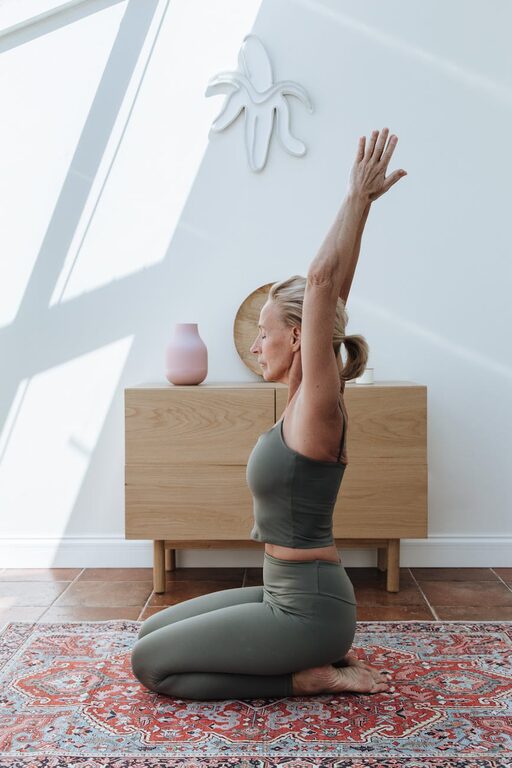
Stretching is a simple yet powerful way to improve your physical health and well-being. Whether you want to become more flexible, relieve muscle tension, or simply feel more relaxed, incorporating stretching into your daily routine can make a big difference. The best part? You can do it easily at home without any special equipment.
In this beginner’s guide, we’ll walk you through the basics of stretching at home, the benefits you can expect, some safety tips, and easy stretches to get started.
Why Stretching Matters
Stretching helps lengthen your muscles and increase your range of motion. Over time, consistent stretching can:
– Improve flexibility and posture
– Reduce muscle stiffness and soreness
– Enhance circulation and energy flow
– Lower the risk of injury during physical activities
– Promote relaxation and reduce stress
Many people associate stretching only with exercise, but it can be beneficial for anyone, whether you’re active or spend a lot of time sitting.
Preparing for Your Stretching Routine
Before you start stretching, keep these simple tips in mind to stay safe and get the most out of your practice:
Warm Up First
Stretching cold muscles can cause injury. Spend 3–5 minutes warming up by doing light activity like walking in place, gentle arm swings, or marching.
Wear Comfortable Clothing
Choose loose, breathable clothing that allows you to move freely.
Use a Mat or Towel
A soft surface helps protect your joints and provides a little cushion as you stretch on the floor.
Breathe Deeply
Controlled breathing helps muscles relax during each stretch and improves oxygen flow.
Stretching Techniques for Beginners
There are two main types of stretching:
Static Stretching
This involves holding a stretch position for 15–60 seconds. It’s ideal for cooling down after activities and increasing flexibility gradually.
Dynamic Stretching
Dynamic stretches involve moving through a range of motion repeatedly and gently. They are typically done before exercise to warm up muscles.
For beginners stretching at home, static stretches are the easiest to start with.
Simple Stretches to Try at Home
Here are some beginner-friendly stretches targeting key muscle groups. Hold each stretch gently — it should feel good, not painful.
1. Neck Stretch
– Sit or stand with good posture.
– Slowly tilt your head to one side, bringing your ear toward your shoulder.
– Hold for 20 seconds and switch sides.
2. Shoulder Stretch
– Extend your right arm across your body.
– Use your left hand to press your right arm closer to your chest.
– Hold for 20 seconds, then switch arms.
3. Chest Opener
– Clasp your hands behind your back.
– Straighten your arms and gently lift your chest while squeezing your shoulder blades together.
– Hold for 20–30 seconds.
4. Seated Forward Fold
– Sit on the floor with legs extended.
– Gently bend forward at the hips, reaching toward your toes.
– Keep your back straight and avoid bouncing.
– Hold for 30 seconds.
5. Cat-Cow Stretch (for spine flexibility)
– Position on hands and knees (tabletop position).
– Inhale, arch your back by lifting your head and tailbone (Cow).
– Exhale, round your spine, tucking chin and pelvis (Cat).
– Repeat 5 times, moving slowly with your breath.
6. Standing Quadriceps Stretch
– Stand on one leg, holding a chair for balance if needed.
– Grab your other ankle behind you, pulling it gently toward your buttocks.
– Keep knees close and hold for 20 seconds.
– Switch legs.
7. Calf Stretch
– Stand facing a wall.
– Place one foot forward with a bent knee, and the other foot back with a straight knee.
– Press your back heel into the ground to feel the stretch in your calf.
– Hold for 20 seconds and switch sides.
Tips for Stretching Success
– Stretch daily or at least 3–4 times a week for noticeable benefits.
– Progress slowly; flexibility improves over weeks, not days.
– Avoid bouncing or forcing a stretch.
– Listen to your body and stop if you feel sharp pain.
– Stay hydrated and maintain good nutrition to support muscle health.
Incorporating Stretching Into Your Day
You don’t need to set aside large chunks of time. Here are ways to weave stretching naturally into your routine:
– Stretch first thing in the morning to awaken your body.
– Take mini stretching breaks during long periods of sitting.
– Add stretches to your cool-down after workouts or walks.
– Practice gentle stretching before bedtime to relax and unwind.
When to Consult a Professional
If you have existing health concerns, injuries, or chronic pain, it’s best to check with a healthcare provider or physical therapist before beginning a new stretching routine. They can offer personalized advice and modifications to keep you safe.
Final Thoughts
Starting a home stretching routine is a fantastic step toward better flexibility, reduced tension, and improved well-being. With just a few minutes a day and some simple stretches, you can enjoy greater comfort and mobility in your daily life.
Remember, consistency matters more than intensity. Be patient with your body and celebrate the small progress along the way! Happy stretching!